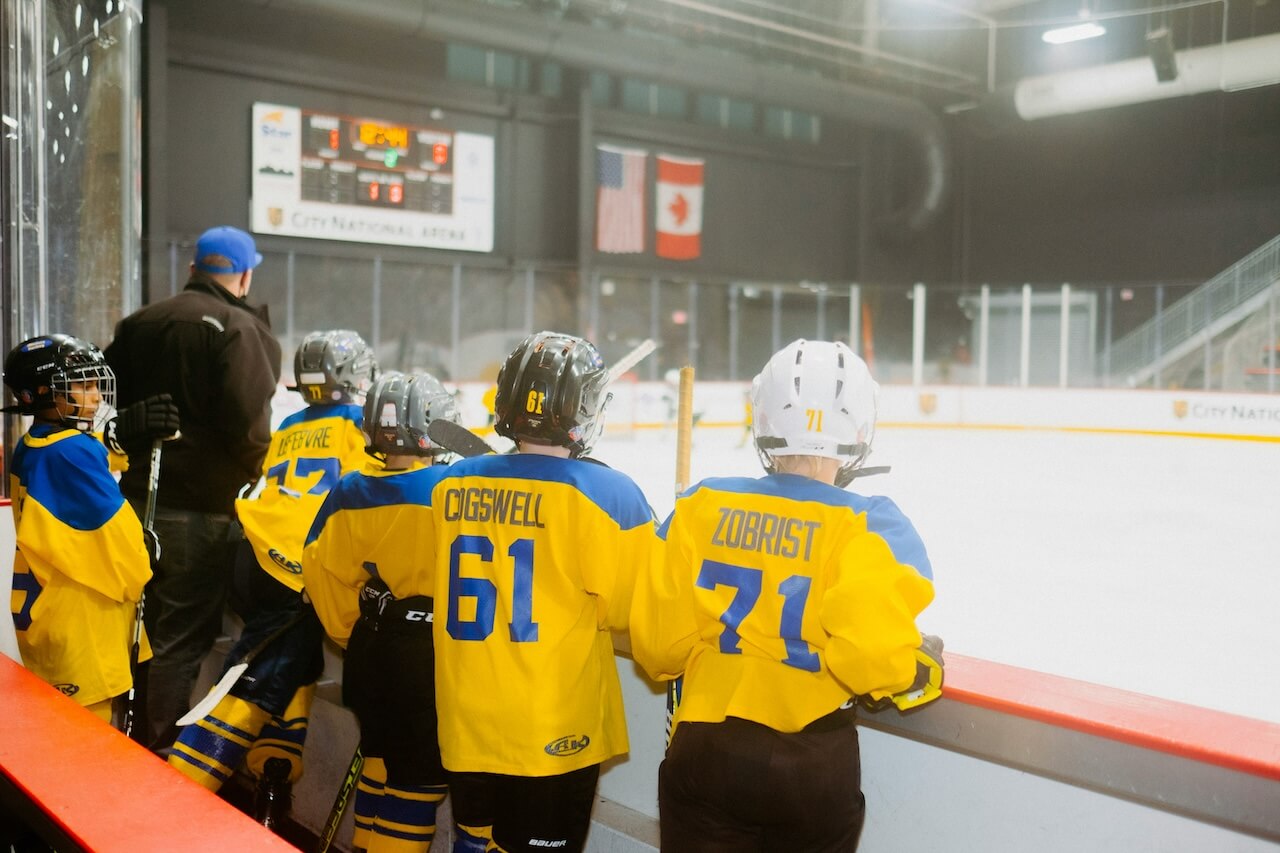
As a parent, watching your child step onto the ice is equal parts pride and nerves. Ice hockey is fast, physical, and incredibly exciting, but it also comes with real risks. The good news is that the right protective equipment can significantly reduce the chance of injury and give you greater peace of mind every time your child laces up their skates.
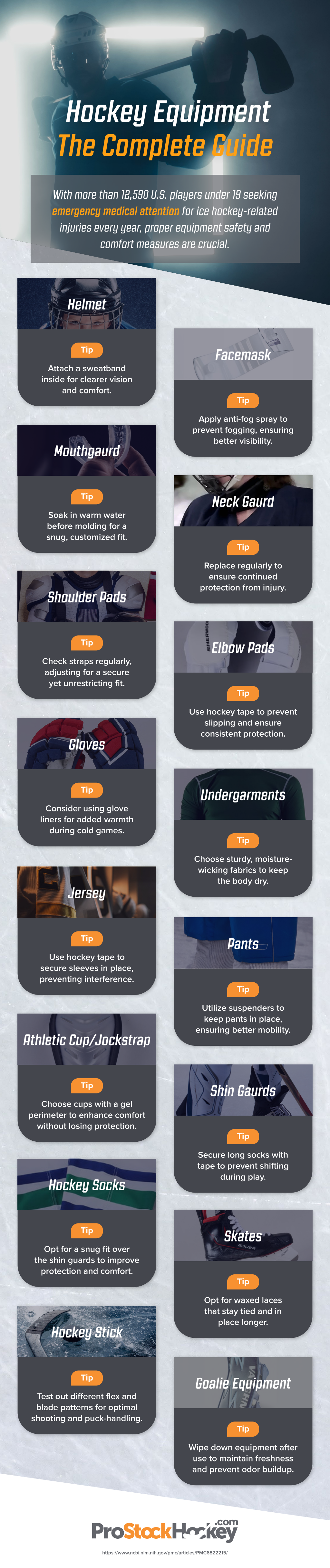
Head protection should always come first. A properly fitted, certified hockey helmet is essential. It should sit snugly on your child’s head without shifting and include quality padding to absorb impact. Good ventilation helps keep players comfortable during long practices and games. Just as important is facial protection. A full face shield or cage helps prevent dental injuries, cuts, and facial fractures. Mouthguards are another smart investment. Studies have shown that players who wear mouthguards report lower odds of concussion, making them a simple yet powerful layer of protection.
Moving down the body, shoulder pads and elbow pads help shield your child from the physical contact that naturally happens during play. Shoulder pads protect the upper chest and collarbone area, while elbow pads cushion falls and collisions. Make sure both fit securely without limiting movement. If elbow pads tend to slide, a little hockey tape can help keep them in place throughout the game.
Protecting the torso and hips is equally important. Padded hockey pants with built-in hip and tailbone protection reduce the risk of injury during falls. A well-fitted hockey jersey adds another layer of padding against stick contact and body checks. While these items may not seem as critical as a helmet, they play a major role in preventing bruises and more serious injuries.
For the lower body, shin guards are essential. They should fully cover the front of the leg and extend comfortably over the skate tongue. Hockey pants provide additional protection for the thighs and lower back, areas that often absorb impact. Skates must fit properly, offering strong ankle support to prevent sprains. Ill-fitting skates can lead to instability, discomfort, and even long-term foot issues, so taking the time to find the right size is worth it.
Comfort matters just as much as safety. Gear that fits well helps your child move confidently and focus on the game rather than adjusting equipment. Always have your child try on gear before purchasing, and check fit regularly as they grow. Children can outgrow equipment quickly, and what fit last season may not offer the same protection now.
When your child is properly outfitted from head to toe, they can enjoy the sport more fully. Quality equipment does not just reduce injury risk. It builds confidence, encourages proper movement, and allows young athletes to focus on developing their skills. With the right protection in place, you can feel more secure knowing your child is prepared for the demands of the game while making lasting memories on the ice.