
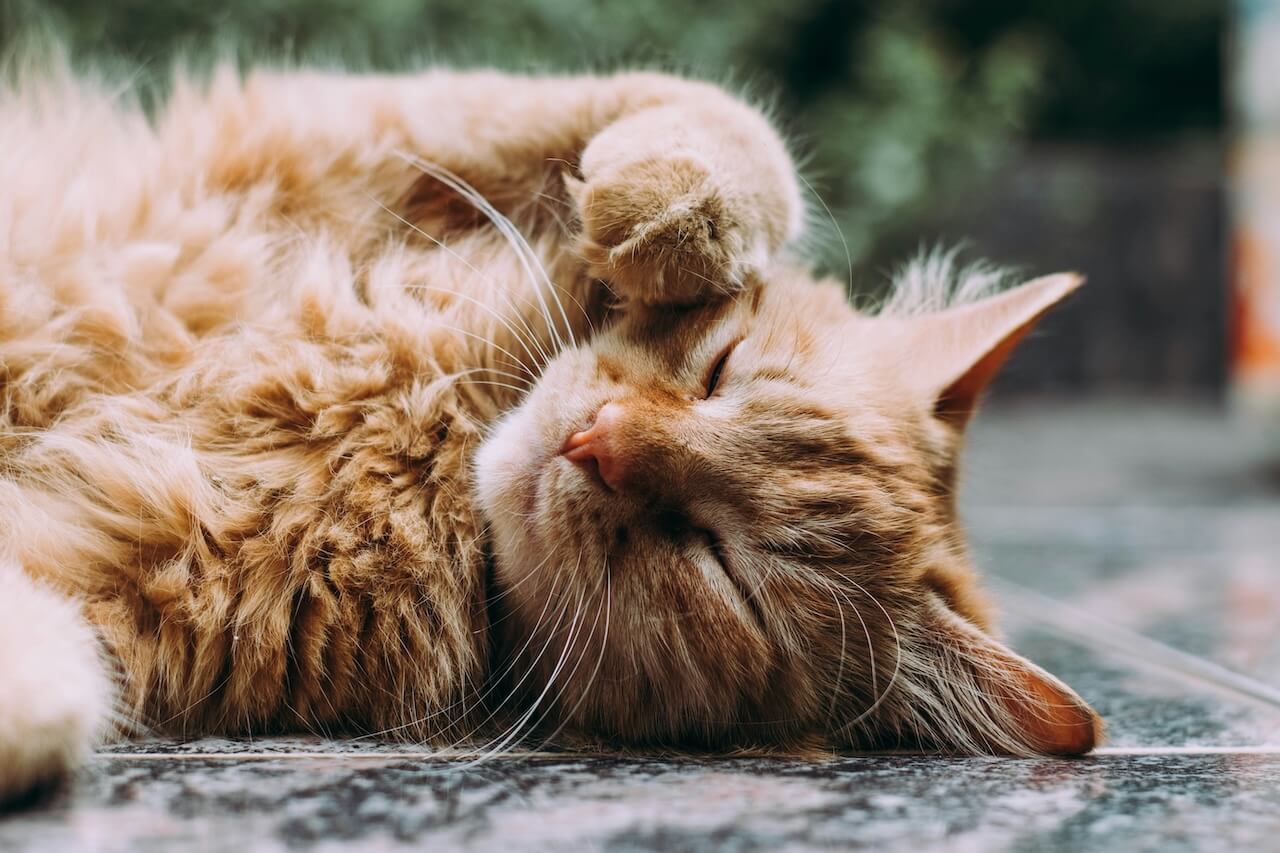
If your kids have been bugging you for a dog and you’ve been silently praying that they would settle for something more low maintenance, then here’s some good news for you. Not all cats are aloof as they are so commonly known as. Some cat breeds act so much like dogs that your family may not notice the difference.
These types of cats greet you at the door when you come home, follow you around, some will even play fetch with you. For families with children, the mix of affection and playfulness, while staying relatively low maintenance makes for a great pet.
Here’s what to know about dog-like cats, which breeds are known for it, and how to set everyone up for a happy home.
What makes a cat “dog-like”?
A cat is usually classified as dog-like when they have sociable, curious, and affectionate personalities, often eager to be part of what the family is doing. They love supervising activities and sitting next to you while you’re lounging around.
You’ll usually see a few things in common:
- They follow people around the house
- They enjoy games like fetch
- They learn their names and come when they’re called
- They learn simple commands fairly quickly
- They’d rather be with the family than off on their own
That last point matters. A cat who loves company is a better match for a busy household than one who prefers to hide under the bed until the kids go to school.
Breeds worth a look
Every cat is an individual, so treat these as tendencies and not guarantees. Still, the following breeds have a reputation for dog-like behaviour.
Burmese
Burmese cats are known for being sociable, outgoing, and can form strong bonds with their people, often following them around the house looking for attention. Many enjoy playing fetch and enjoy learning tricks, which makes them fun for kids.
They’re also known for being playful and gentle, which will make them suitable for families with kids. They have a short, sleek coat that only needs to be brushed once a week. They can be a bit chatty, though not as noisy as their Siamese cousins. If you’re in Australia, you can browse Burmese kittens and talk to breeders through the link above.
Ragdoll
Ragdolls are cuddly, laid-back cats who are known for melting into your arms when you pick them up. They’re also famous for following their owners around like puppies and greeting them at the door. Their calm nature makes them work well for homes with kids, though their long coats will need to be brushed a few times a week to avoid tangles.
Maine Coon
Often called “gentle giants,” Maine Coons are large, friendly and easygoing. They like being near their family, and they are known to happily play fetch with a thrown toy. Their large size makes it easier for smaller kids to learn how to handle them with less risk of hurting them. Their long coats, however, will need regular grooming to keep them from tangling.
Siamese
If you want a cat that loves to communicate with their owners, you’ll love the Siamese. They’re warm, affectionate, and can grow very attached to their people. They love telling stories and are a great match for chatty families that can engage them.
Abyssinian
Abyssinians are active breeds that love to climb and be involved in everything. They’re well suited to families with older kids who can keep up with their energy, but you’ll need a good cat tree to stop them from ruining your curtains.
Bengal
Bengals are athletic and clever, and many love playing fetch with their owners. They also have a ton of energy and need to be played with every day, which is something to keep in mind if your family is very busy. They can be wonderful with active older children, but may be too much for a quiet home with toddlers.
Teaching your cat to play fetch
Playing fetch with your cat is a great activity for kids, and it’s easier than you might think. A few tips:
- Pick the right toy. Lightweight balls, crinkle balls or squeaky toys work well. Avoid using anything small enough to swallow, especially if you have little ones around who might share their own toys.
- Start short. A couple of minutes of fetch a day is a good place to start. Stop while your cat is still keen and avoid forcing them or punishing them for not following.
- Reward every try. Be sure to give them treats, praise and a gentle scratch behind the ears as rewards for a job well done.
- Let the cat set the pace. Allow them to walk away if they get tired of the game, and try again later. You want to build positive associations with the game.
Before you bring one home
Here are a few things worth thinking about before you decide to get a cat and bring it home.
Be honest about allergies. No cat is fully hypoallergenic so be sure you keep your expectations realistic. If you have allergies, spend a little time with the breed before you make a decision.
Plan for supervision. Even the gentlest cat can become frustrated with unruly young kids. Teach your children to pet your cat gently, to never yank on its tails and ears, and allow the cat to walk away without chasing it when it’s had enough. Make sure you supervise interactions with toddlers at all times.
Give them somewhere to retreat. Social cats still need a secluded spot where they can take a break. Give them a quiet spot, away from the daily bustle, such as a cosy bed or cat perch, where they can retreat when they have had too much.
Choose your breeder carefully. If you’re buying a kitten, be sure to get one from a verified breeder, and meet the kitten and its parents in person if possible. Find out how the kittens were raised, if they have been socialised, and what health checks have been done. If the breed you’re getting is prone to particular conditions, it helps to ask.
The bottom line
A dog-like cat can give your family the best of both worlds: the playfulness and loyalty of a dog, with a lot less mud and daily walks. Be sure to research properly, match the breed to the family’s lifestyle, and teach your kids how to properly handle cats.