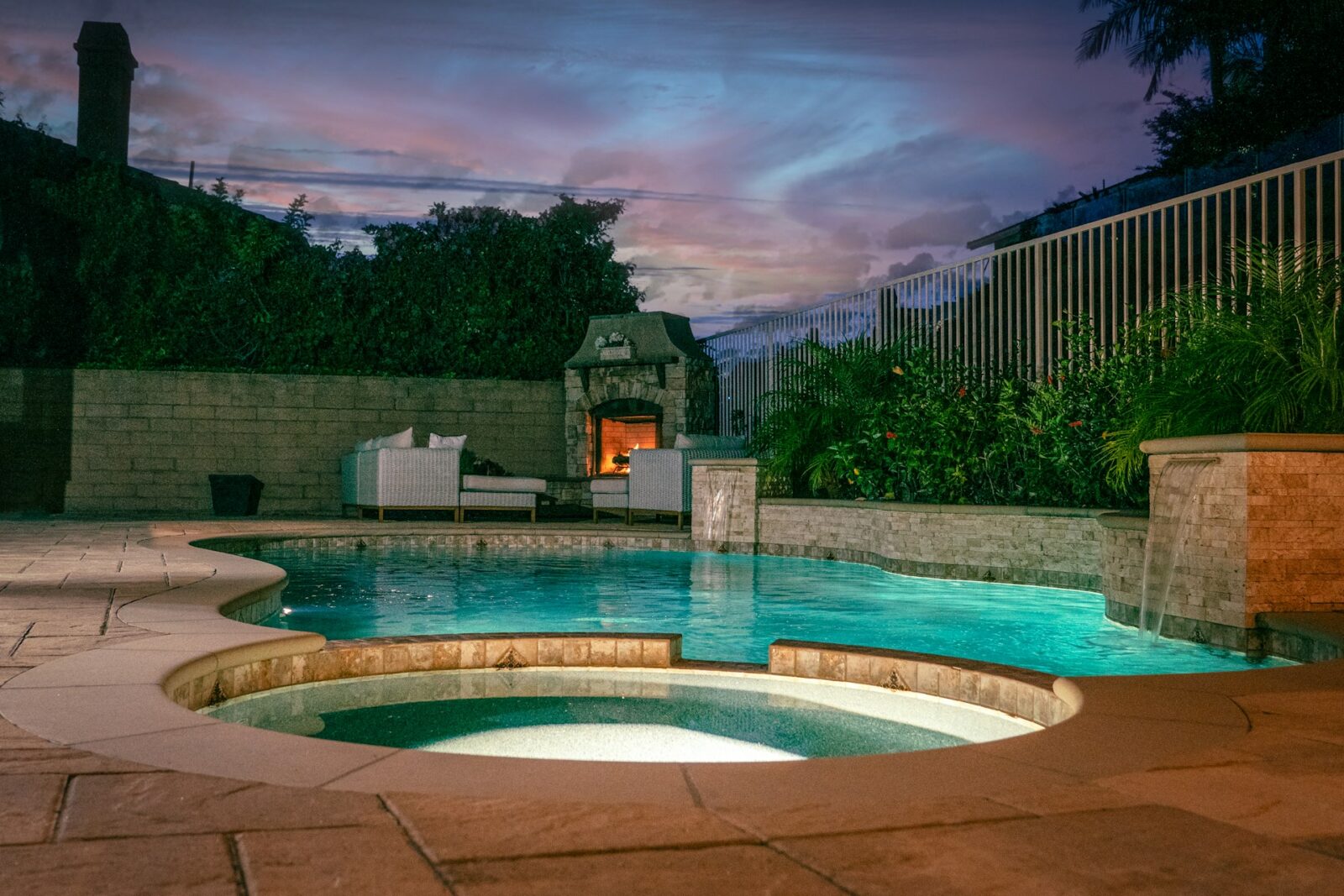
A backyard pool can be a major source of enjoyment, offering a place to relax, cool off, and spend time with family. But while most homeowners focus on balancing the water, far fewer consider how pool chemicals can affect the air surrounding the pool. When chemistry is off or ventilation is poor, the result can be airborne irritants that impact lung health.
Keeping a pool safe means paying attention not only to what’s in the water but also to what’s circulating in the air above it.
Where Respiratory Irritation Comes From
Discussions about pool safety often center on water clarity or hidden hazards like slips and falls. Yet the air around a pool—especially indoor or semi-enclosed pools—can carry compounds that strain the respiratory system.
Here are the main contributors:
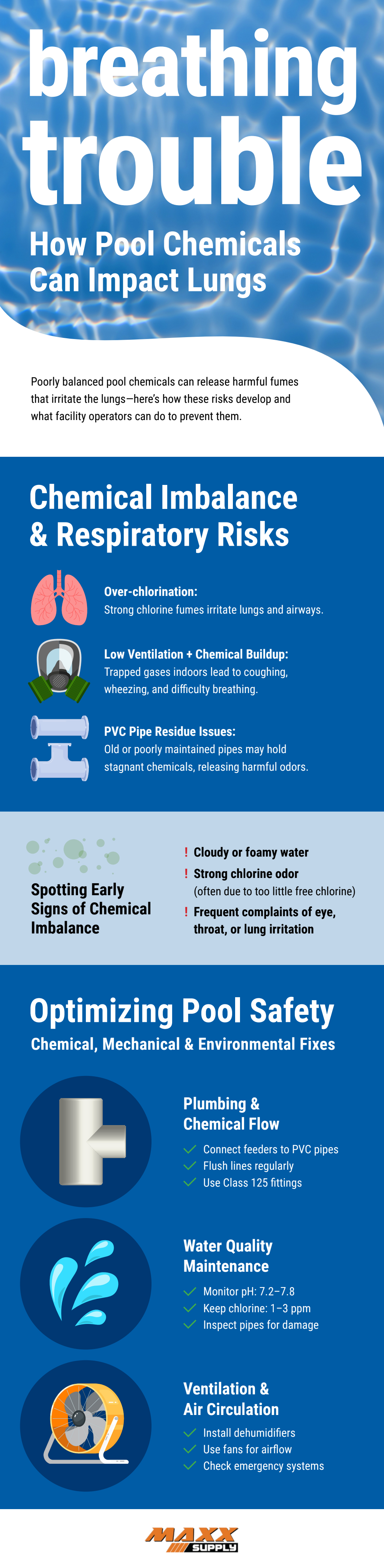
- Chlorine Imbalances
Chlorine is necessary for sanitation, but overly high concentrations can produce strong odors and vapors that irritate lungs. Children, individuals with asthma, and anyone sensitive to chemicals may feel the effects quickly, including coughing or difficulty breathing. - Insufficient Air Movement
Even with proper chlorine levels, enclosed pool spaces can trap chemical byproducts. Without steady airflow, vapors accumulate, creating a lingering, irritating atmosphere. - Chemical Buildup in Plumbing Systems
Older piping, including some PVC configurations, can accumulate residues over time. When water temperature rises or flow increases, these residues may release odors or compounds into the air. Using higher-quality materials, including Class 125 fittings from trusted manufacturers, can help reduce this issue.
Warning Signs of Air-Quality Problems
You don’t need specialized equipment to notice when something is off. Look for:
• Cloudy, foamy, or discolored water
• A sharp chlorine scent, which often signals buildup of disinfectant byproducts
• Frequent eye, throat, or respiratory irritation among swimmers
These clues often mean the air environment needs attention just as much as the water.
How to Improve the Air Quality Around Your Pool
A healthy pool depends on more than chemical balance—it also requires proper circulation and system maintenance.
- Keep Plumbing Systems Clean and Functional
• Flush lines regularly to prevent residue accumulation
• Use durable Class 125 PVC fittings compatible with pool chemicals
• Ensure dosing systems disperse sanitizers evenly - Maintain Balanced Water Chemistry
• Keep pH in the 7.2–7.8 range
• Maintain chlorine between 1 and 3 ppm
• Inspect plumbing before the season begins to catch problems early - Strengthen Ventilation and Airflow
• Install dehumidifiers in indoor or covered pool areas
• Use fans or natural ventilation to disperse chemical vapors
• Confirm emergency exhaust systems are operating correctly
Healthy Water Depends on Healthy Air
A pool is meant to be refreshing—not a source of respiratory discomfort. With proper care of chemical levels, plumbing systems, and ventilation, you can maintain an environment that is comfortable, safe, and enjoyable for everyone.
Crystal-clear water is important, but clean air makes the pool experience truly healthy. Routine attention to both ensures your backyard oasis stays a place of relaxation rather than a hidden source of irritation. For more on this, check out the accompanying resource from Maxx Supply, a supplier of schedule 80 couplings.