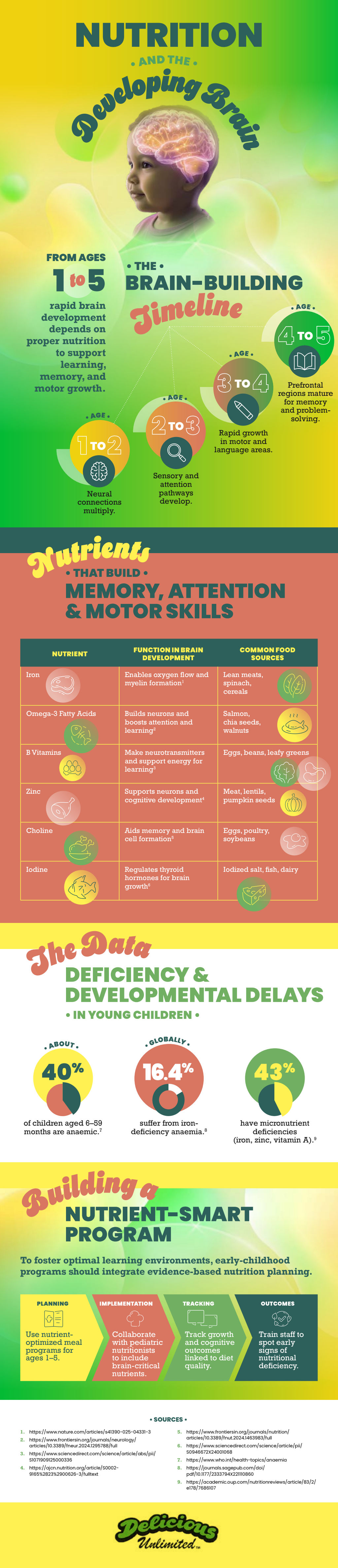

From the very first years of life, food does more than satisfy hunger. It fuels one of the most incredible processes in the human body: brain development. During early childhood, nutrition helps shape how children think, learn, and interact with the world. Every meal supports the creation of new neural connections that guide memory, language, and motor skills.
The early years are a time of rapid growth, and the brain is especially sensitive to the quality of nutrients it receives. Children’s brains require a steady supply of energy and nourishment to support learning and emotional balance. This is why early nutrition matters as much as early education. Together, they create the foundation for focus, curiosity, and resilience that lasts into adulthood.
The brain is made up of nearly 60% fat, which means healthy fats are essential for communication between brain cells. Whole foods like fish, avocados, nuts, and seeds supply these important fats while also providing a sense of satiety and comfort. Protein, often found in foods such as eggs, beans, and poultry, provides amino acids that help the brain build neurotransmitters. These are the chemical messengers that allow children to process information, respond to their environment, and express themselves clearly.
While single nutrients are important, it is the combination of many that creates a truly brain-healthy diet. A colorful plate filled with fruits and vegetables ensures a wide range of vitamins and antioxidants that protect developing brain tissue. Whole grains provide steady energy that helps maintain focus throughout the day. Dairy products, or fortified alternatives, offer calcium and other micronutrients that assist in nerve transmission and muscle coordination. Each food plays a role in helping the brain function efficiently.
For early childhood programs, nutrition is more than meal service. It is a learning opportunity that helps children build positive relationships with food. When classrooms, cafeterias, and kitchens work together to promote balanced eating, mealtimes become moments of growth and discovery. Caregivers and educators can reinforce healthy habits by introducing variety, encouraging conversation about food, and modeling enjoyment of nutritious meals.
Creating a nutrition-focused environment takes planning, teamwork, and intention. Partnering with a food meal service that offers nutrient-optimized menus can make it easier for programs to provide balanced, age-appropriate meals every day. Collaborating with pediatric nutritionists, chefs, and educators ensures that menus meet developmental needs while remaining appealing to young eaters. The result is a program that not only supports physical growth but also fosters cognitive development and emotional well-being.
Every meal served to a child is a chance to make a lasting impact. With each bite, they are strengthening the connections that help them learn, imagine, and thrive.
For more insight on how thoughtful nutrition supports growing minds, explore our companion resource on early childhood brain development from Delicious Unlimited, a catering company for schools.